Understanding Gradall: Features and Benefits
Gradall machines are increasingly recognized for their unique engineering and functionality in a variety of industries. With their specialized designs, they provide a level of versatility that traditional excavators often struggle to match. In this article, we'll explore the features and benefits of gradall, comparing it to traditional excavators, examining its various applications, and discussing how to choose the right model for your needs.
The Unique Design of Gradall
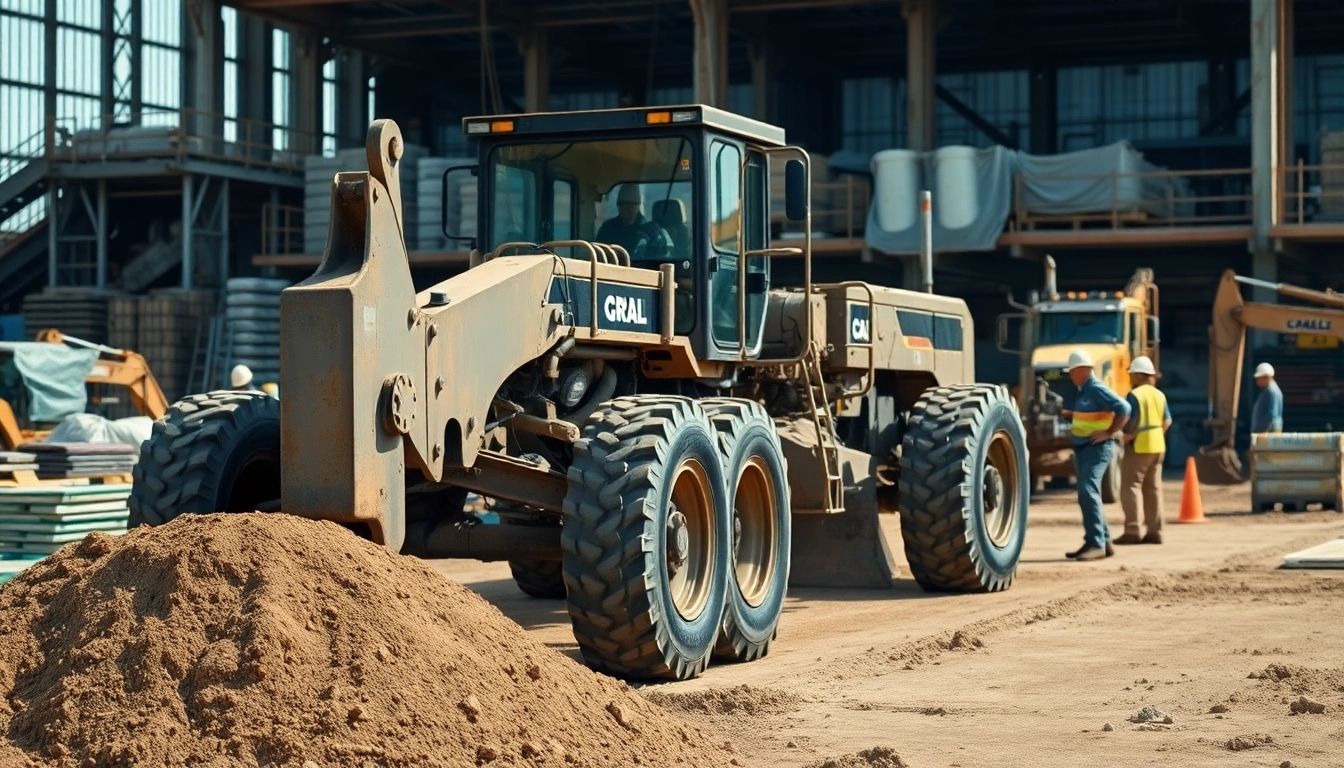
The hallmark of a Gradall is its telescoping boom, which differentiates it from standard excavators. This boom enables the Gradall to operate in compact spaces while providing a remarkable lifting capacity. The design allows for multiple positions and angles, making it ideal for specialized tasks where maneuverability and precision are critical. Moreover, the Gradall features an ergonomic operator's cab, designed for visibility and ease of control, enhancing operator safety and efficiency. While many conventional excavators feature fixed arms and limited reach, Gradalls can adapt their booms to various tasks, which makes them exceptionally versatile. Their design also allows for easy changes between different attachments, broadening their range of functionality from excavation to lifting and material handling.
Key Advantages of Using Gradall
Investing in a Gradall offers several benefits, which contribute to its growing popularity in multiple sectors: 1. Versatility: The adjustable boom enables multiple work angles and positions, meaning it can easily transition from one task to another. 2. Compact Size: Gradalls are designed to operate efficiently in confined spaces, which is particularly beneficial in urban settings or during site preparation projects. 3. Enhanced Visibility: The operator's cab provides a clear view of the working area, which enhances safety and precision. 4. Capacity: Despite their smaller size, Gradalls can handle significant loads, making them a suitable choice for heavy lifting tasks. 5. Multi-functional Attachments: The expandable nature of the Gradall allows for various attachments, such as buckets, forks, and grapples, for different applications. These features translate to enhanced productivity on job sites, making Gradalls a smart choice for contractors looking to maximize efficiency.
Gradall vs. Traditional Excavators: A Comparison
When comparing Gradalls to traditional excavators, it's essential to consider several key factors: - Maneuverability: Gradalls are often more agile, able to access tighter areas without compromising performance. Traditional excavators can struggle in confined spaces due to their static design. - Versatility of Use: While traditional excavators excel at digging, Gradalls shine in multi-purpose roles. They can easily transition to lift and place materials, making them more adaptable on job sites. - Operational Cost: Gradalls often consume less fuel due to their compact design and efficient operation, leading to lower overall operating costs. - Maintenance Needs: Gradalls can require less maintenance over time due to sturdy build quality and lower operational strain in tight spaces. While the choice depends heavily on specific project requirements, Gradalls represent a modern alternative that addresses needs in a more adaptive and efficient manner than traditional excavators.
Applications and Use Cases for Gradall
Gradalls serve a diverse array of applications across many fields, making them essential machines in contemporary construction and industrial tasks.
Construction and Site Preparation
In construction, Gradalls excel at initial site preparation, including grading and excavation. Their ability to maneuver in tight quarters is particularly advantageous in urban projects where space is limited. Gradalls can also lift heavy materials and equipment into place, streamlining operations on large projects. The multifunctionality allows them to switch tasks without needing multiple machines, cutting down on project timeline and costs while enhancing workflow efficiency.
Landscaping and Environmental Projects
Gradalls are increasingly being employed in landscaping and environmental conservation efforts. Their precise capabilities allow for delicate groundwork, such as shaping landscapes, planting trees, and establishing proper drainage. The adaptability of Gradalls makes them suitable for erosion control projects, allowing operators to install silt fences and retention walls with ease and precision. Their small footprint makes them ideal for use in sensitive environments where larger machines might unintentionally cause damage. By using a Gradall, operators can achieve excellent results in achieving sustainable landscaping objectives while adhering to environmental regulations.
Utility Installation and Maintenance
Gradalls play a crucial role in utility installation and maintenance, including cable laying, pipework, and electrical installations. Their ability to dig, lift, and place materials effectively in confined areas reduces the need for extensive disruptive excavations. This functionality is particularly relevant in urban settings where minimizing impact is essential. In suspected service interruptions or upgrades, Gradalls enable prompt and efficient access to existing utility lines, allowing for quicker repairs and lower operational downtime. Their ability to switch between attachments means they can be utilized across various utility tasks without requiring specialized equipment for each job.
Choosing the Right Gradall for Your Needs
Determining the best Gradall for your project demands careful consideration of several factors, including size, attachments, and budget.
Assessing Size and Capacity Requirements
Before making a decision, it's crucial to assess the size and capacity requirements of your project. Gradalls come in various sizes, each capable of handling different weight loads and reach. Analyze the scope of your project, including the types of tasks required, the weight of materials, and the operational area dimensions. Understanding these factors will guide you toward the right model, ensuring it can meet your operational needs without overstretching its limits.
Evaluating Attachments and Accessories
One of Gradall's key advantages is its compatibility with various attachments. Before selecting a model, evaluate the types of attachments you'll need for your specific tasks. Common attachments include buckets, forks, and claws, all of which can expand the machine's capability. Investigate the availability of these accessories and compatibility with your chosen Gradall to optimize your investment.
Budget Considerations When Purchasing Gradall
While purchasing a Gradall can represent a significant investment, careful budgeting can result in long-term savings. Consider both the acquisition costs and the operational costs, such as maintenance and repairs. Explore options for financing or leasing, which can alleviate immediate financial constraints. Evaluate the projected return on investment based on the anticipated projects and their profitability to ensure you're making a sound business decision.
Best Practices for Operating Gradall Safely
Safety is of paramount importance when operating heavy machinery such as Gradalls. Here are some best practices to keep in mind.
Essential Pre-Operation Safety Checks
Before operating a Gradall, perform essential pre-operation safety checks: 1. Inspect Equipment: Ensure all components, including the boom, hydraulic systems, and attachments, are in good working condition with no signs of wear or damage. 2. Check Fluid Levels: Assess hydraulic fluids and ensure they are at proper levels for optimal performance. 3. Review Operating Manual: Familiarize yourself with the machine’s operating manual to understand specific safety features and protocols. 4. Establish a Safe Work Zone: Secure the work area and ensure that bystanders are at a safe distance during operation. By adhering to these practices, operators can significantly reduce the risk of accidents or equipment failure, ensuring a safer work environment.
Training and Certification for Operators
Proper training and certification are critical for anyone operating a Gradall. Operators should undergo comprehensive training that covers: - Safe operational procedures - Understanding machine controls and limitations - Emergency handling and evacuation procedures - Environmental awareness and protection protocols Certification programs ensure that operators are well-equipped with the knowledge and skills necessary to handle Gradalls safely and effectively.
Maintenance Tips for Longevity
To ensure the longevity and optimal performance of your Gradall, follow these maintenance tips: 1. Regular Servicing: Schedule regular maintenance checks with qualified technicians to identify and address any potential issues early. 2. Keep the Machine Clean: Remove dirt and debris regularly from both the exterior and hydraulics to prevent buildup that can affect performance. 3. Monitor Usage Patterns: Keep track of operational hours and performance to identify any trends that may suggest the need for additional maintenance or attention. 4. Stay Stocked on Consumables: Ensure that necessary replacement parts and consumables are readily available to minimize downtime during repairs. By implementing these practices, operators can ensure that their Gradall remains in peak condition, promoting efficiency and effectiveness on the job site.
Frequently Asked Questions about Gradall
What is a Gradall used for?
A Gradall is primarily used for excavation and lifting in various construction and industrial applications.
How does a Gradall differ from a standard excavator?
Gradalls feature a telescoping boom, allowing for greater versatility in digging, lifting, and maneuverability.
What maintenance does a Gradall require?
Regular maintenance includes checking hydraulic fluids, inspecting for wear, and ensuring the boom operates smoothly.
Can Gradalls be rented?
Yes, many equipment rental services offer Gradall models for short or long-term projects.
Are Gradalls efficient for landscaping?
Absolutely, Gradalls are excellent for precise landscaping tasks due to their compact size and adaptability.