Understanding Containerized Wastewater Treatment Solutions
In an age where environmental sustainability is paramount, the need for efficient wastewater treatment solutions has never been greater. Containerized wastewater treatment systems serve as an innovative response to the diverse challenges faced in managing water effluent. These systems offer a pre-engineered, modular approach that blends flexibility with compliance to environmental standards, making them suitable for applications ranging from domestic sewage to complex industrial effluents. When exploring options, Wastewater Treatment System Manufacturers provide comprehensive insights into the advantages and applications of these systems.
What Are Containerized Wastewater Treatment Systems?
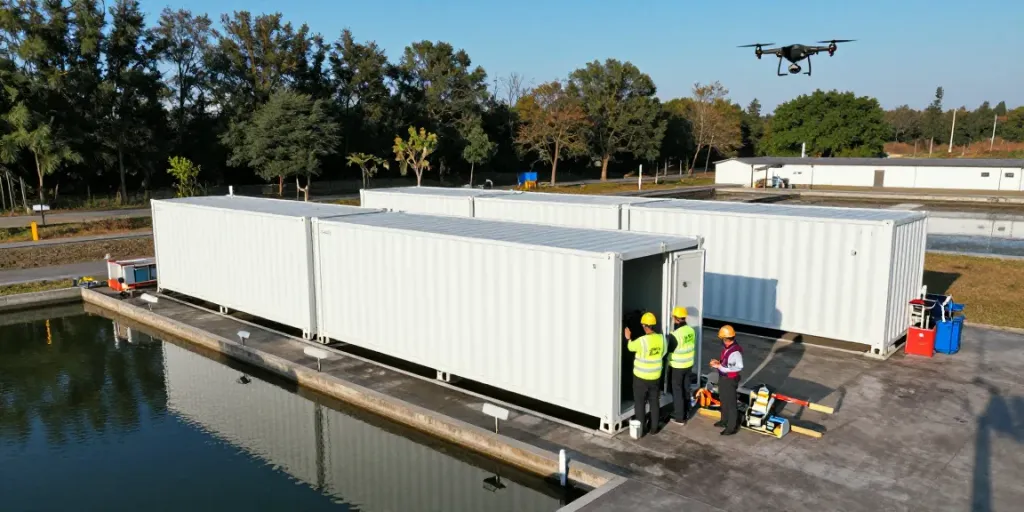
Containerized wastewater treatment systems are pre-assembled units housed within standardized shipping containers (typically 20 or 40 feet). These systems are designed to treat wastewater efficiently while being easily transportable and quickly deployable. They are engineered to meet specific treatment requirements for various applications, including community, commercial, and industrial uses. By encapsulating treatment technologies in a compact format, containerized systems not only reduce installation time but also enhance operational flexibility and scalability as water treatment demands evolve.
Key Components of Effective Systems
To understand the efficacy of containerized wastewater treatment systems, it's essential to delve into their key components:
- Pre-treatment units: These units filter out larger solids and grit, preparing the wastewater for further processing.
- Biological treatment reactors: Utilizing aerobic or anaerobic processes, these reactors facilitate microbial digestion of organic material.
- Clarifiers: These components allow for the separation of treated water from residual sludge, ensuring clean effluent is discharged.
- Disinfection units: These systems use chlorine, UV light, or ozone to eliminate pathogens from treated water, making it safe for discharge or reuse.
Benefits of Using Containerized Solutions
The advantages of containerized wastewater treatment systems are numerous:
- Rapid deployment: These systems can often be installed and operational within a matter of days, significantly reducing project lead times.
- Modular flexibility: The modular design allows for easy scaling to meet varying treatment demands.
- Cost-effectiveness: Reduced installation costs and operational efficiencies translate to lower overall expenses.
- Compliance: Systems are designed to meet stringent regulatory standards, thereby ensuring environmental compliance.
- Transportability: Having a compact footprint facilitates relocation when necessary, making these systems ideal for temporary projects or emergencies.
Choosing the Right Wastewater Treatment System Manufacturer
Selecting a competent wastewater treatment manufacturer is crucial to ensuring the longevity and efficiency of the installed systems. Here are essential criteria that can guide your selection:
Top Features to Look For
When evaluating potential manufacturers, consider the following features:
- Experience: Look for manufacturers with a proven track record in the industry.
- Customization: The ability to tailor solutions to specific wastewater treatment needs is essential.
- Support Services: Comprehensive installation, maintenance, and operational support are crucial for long-term success.
- Technology: Innovative features such as automated systems and remote monitoring can enhance system performance.
Comparative Analysis of Key Manufacturers
When comparing leading manufacturers in the wastewater treatment sector, key players include:
- Veolia: Known for its comprehensive wastewater management solutions and commitment to sustainability.
- Xylem: A technology-driven company providing innovative solutions tailored for varied wastewater applications.
- Evoqua Water Technologies: Renowned for its effective solutions in both municipal and industrial wastewater treatment.
- Qilee Group: Offers a diverse range of containerized solutions designed for flexible deployment and high efficiency.
Evaluating Manufacturer Certifications and Compliance
It is crucial that the selected manufacturer adheres to local and international certification standards. Look for certifications such as ISO 9001 for quality management and ISO 14001 for environmental management. Compliance with local environmental regulations ensures that the systems meet necessary treatment requirements and standards.
Implementing Containerized Wastewater Treatment Systems
The successful implementation of containerized wastewater treatment systems involves planning, installation, and ongoing maintenance. Below are critical steps to ensure smooth operation:
Installation Process and Requirements
The installation of containerized systems is straightforward, typically requiring minimal site preparation. Key steps include:
- Site Assessment: Evaluating the location for logistical ease and access to utilities.
- Transport: Using standard flatbed trucks for delivery and cranes for placement.
- Connection: Hooking up to existing wastewater pipelines and utility sources.
- Testing: Conducting thorough system testing to ensure operational efficacy and compliance.
Maintenance Best Practices for Optimal Performance
Regular maintenance is essential for the longevity of wastewater treatment systems. Best practices include:
- Routine inspections: Regular check-ups of components to identify wear and tear.
- Scheduled cleaning: Ensuring that tanks, filters, and reactors are maintained clean to prevent blockages.
- Recalibration: Periodic adjustment of system settings to align with operational changes or regulatory updates.
Common Challenges and Solutions
While containerized systems offer many advantages, challenges can arise, such as:
- Operational Downtime: Regular maintenance can minimize downtime and ensure continuous operation.
- Regulatory Changes: Staying informed on local regulations helps manufacturers adjust systems accordingly to maintain compliance.
- Influx of Waste Material: Implementing systems that can handle variable loads can mitigate the effect of unexpected surges in wastewater.
Case Studies: Successful Applications in Various Industries
Understanding practical applications of containerized wastewater treatment systems can offer valuable insights. Here are some notable case studies:
Domestic Sewage Treatment Success Stories
In rural communities, containerized systems have provided a robust solution for domestic sewage treatment, allowing for effective, localized management of wastewater. In one case, a modular unit was installed, providing efficient treatment for over 200 households while adhering to local discharge standards.
Industrial Applications and Innovations
Manufacturing facilities have successfully utilized containerized treatment systems for their effluent. For instance, an automotive plant integrated a modular system to treat its wastewater, achieving a reduction in discharge pollutants by over 70%, significantly improving its compliance with environmental regulations.
Environmental Impact Assessments
Implementing containerized systems has also shown significant positive impacts on surrounding ecosystems. A project in an environmentally sensitive area incorporated containerized treatment for stormwater runoff, reducing contaminants and returning clean water to natural sources effectively.
Future Trends in Wastewater Treatment Systems
The landscape of wastewater treatment is continually evolving, influenced by technological advancements and regulatory changes. Here are some key trends to watch:
Emerging Technologies in Wastewater Management
Innovations such as AI-driven monitoring systems, advanced filtration technologies, and decentralized treatment models are gaining traction. These technologies promise to enhance efficiency, reduce operational costs, and improve water reuse capabilities.
Regulatory Changes Affecting Manufacturers
As environmental regulations become stricter, manufacturers must adapt to ensure compliance. Upcoming standards may focus on improving effluent quality and increasing the accountability of wastewater management practices across industries.
Predictions for the Industry by 2026
By 2026, the wastewater treatment industry is expected to see substantial growth, with an increased focus on sustainability and water reuse. The adoption of containerized systems as a standard practice across various sectors will likely continue, driven by their operational efficiencies and compliance capabilities.
What are the top wastewater treatment system manufacturers?
Top manufacturers in the market include Veolia, Xylem, and Evoqua Water Technologies, known for their innovative solutions and commitment to sustainability.
How do containerized wastewater treatment systems work?
These systems employ a series of integrated components to treat wastewater, including pre-treatment, biological treatment, clarifying, and disinfection processes, all within a compact and transportable setup.
What are the benefits of modular wastewater solutions?
Modular solutions offer rapid deployment, scalability, cost-effectiveness, and compliance with regulatory standards, making them ideal for a range of applications.
How can businesses choose the right manufacturer?
Businesses should evaluate manufacturers based on experience, customization capabilities, technology, and comprehensive support services.
What is the future of wastewater treatment technologies?
The future is expected to bring increased automation, advanced treatment technologies, and an emphasis on sustainable practices and water reuse.