What is a Cherry Picker?
Definition and Purpose
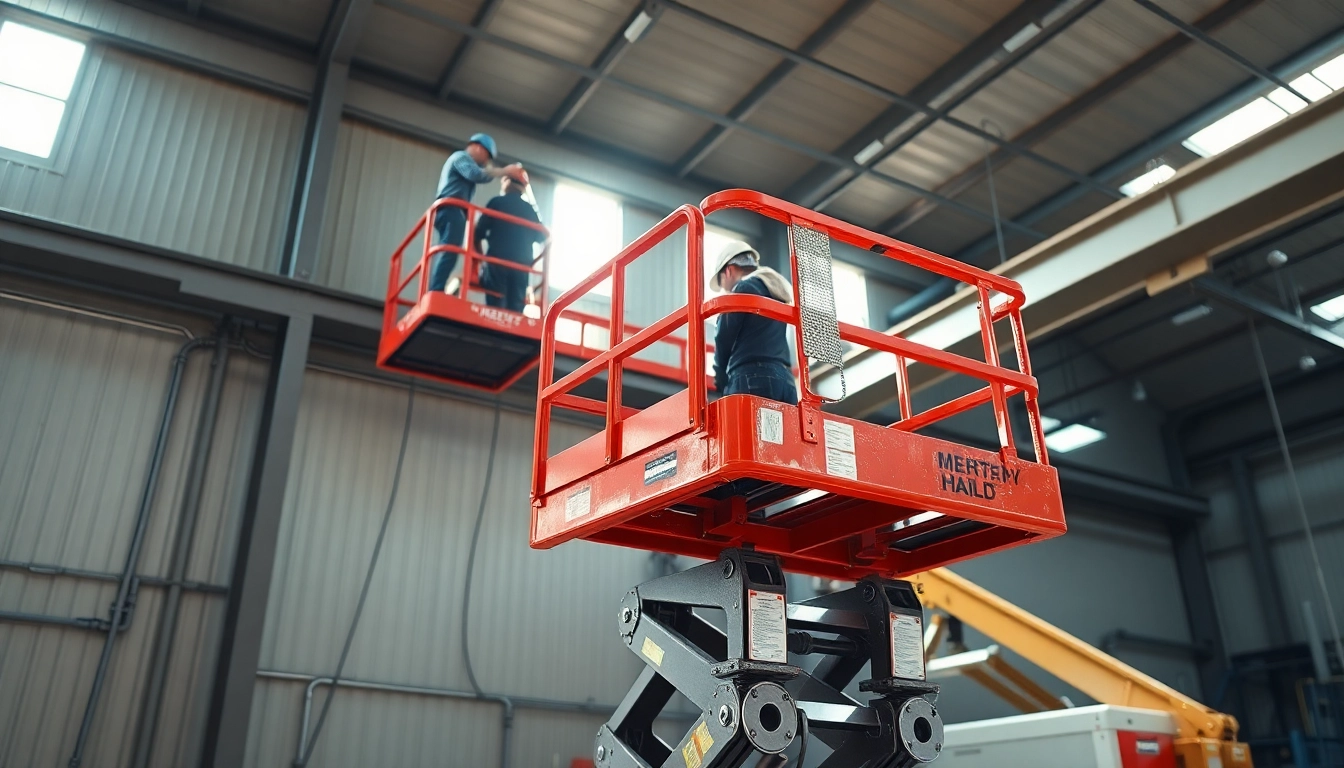
A cherry picker, also known as an aerial work platform, is a mechanized device designed to provide temporary access to elevated areas for personnel and equipment. This versatility makes it a crucial tool in industries such as construction, maintenance, and entertainment. Cherry pickers assist in safely lifting workers to high heights and are especially beneficial in situations that require accessing areas that are otherwise difficult to reach.
Common Applications
Cherry pickers are utilized in various sectors for numerous applications:
- Construction: For accessing high portions of a building during construction or renovation.
- Maintenance: Assisting with the repair of electrical lines or sign replacement at elevated heights.
- Film and Photography: To elevate cameras for overhead shots and unique angles.
- Tree Removal: For safely trimming trees or removing branches at height.
- Aerial Work Platforms: Supporting various tasks where reaching height is essential.
Components and Features of a Cherry Picker
A typical cherry picker consists of the following components:
- Platform or Bucket: The area where personnel stand when lifted; designed for safety.
- Arm or Boom: The extendable arm that raises the platform to the desired height.
- Base Unit: The foundational structure that supports the mechanisms involved in operation.
- Control System: Usually electronic or hydraulic, controlling the lift and movements.
- Safety Features: Includes guardrails, emergency shut-off, and overload protection systems.
How Cherry Pickers Work
Mechanics Behind Mobility
The core functionality of a cherry picker revolves around hydraulics and electronics. The hydraulic system powers the boom, allowing it to extend and retract smoothly. This mechanism is critical because it needs to lift varying weights at considerable heights while maintaining stability. A well-engineered cherry picker can maneuver easily around construction sites, particularly models designed for uneven terrain.
Safety Features Explained
Safety is paramount in the operation of cherry pickers. Key safety features include:
- Guardrails: To prevent falls while working at height.
- Emergency Descent Mechanisms: Allowing operators to lower the platform in case of a malfunction.
- Stabilizers: Supporting the cherry picker during use to prevent tipping.
- Weight Sensors: Alerting operators when weight limits are exceeded.
- Operator Training Systems: Providing necessary education on safe practices.
Types of Cherry Pickers: A Comparison
Cherry pickers come in various types, each serving specific purposes:
- Telescopic Cherry Pickers: Known for their long reach and versatility, suitable for extensive range operations.
- Articulated Cherry Pickers: These units can maneuver over obstacles and extend their reach in complex environments.
- Self-Propelled Cherry Pickers: Operate independently, offering enhanced mobility on the job site.
- Push-Around Cherry Pickers: Ideal for light lifting tasks, portable and easy to position manually.
- Trailer-Mounted Cherry Pickers: Convenient for tasks that require frequent relocation, often to hard-access areas.
Choosing the Right Cherry Picker for Your Needs
Key Factors to Consider
When selecting a cherry picker, consider:
- Job Requirements: Assess the height and weight needs for specific projects.
- Terrain Type: Ensure the model is suitable for the terrain of your work site, whether flat or uneven.
- Operating Environment: Indoor and outdoor models vary in specifications and safety features.
- Transport and Setup Time: Factor in how quickly you need the cherry picker operational.
Size and Reach Requirements
The height and reach of a cherry picker are critical in ensuring that it meets project needs. Models can vary significantly in range; some may only lift to 30 feet, while others can reach over 150 feet. Always consider your maximum required height as well as necessary outreach to ensure safe and effective operation.
Cost vs Value Analysis
Evaluating cost versus value is essential when investing in a cherry picker. Initial costs can vary considerably depending on specifications and features. Consider the long-term value, including durability, maintenance costs, performance efficiency, and potential revenue generation from enhanced operational capabilities.
Best Practices for Using a Cherry Picker
Pre-Operation Inspection Checklist
Before utilizing a cherry picker, always conduct a thorough pre-operation inspection:
- Check fluid levels in the hydraulic system.
- Inspect the platform for damage or excessive wear.
- Confirm functionality of safety features.
- Ensure all controls are in good working order.
- Verify that the base is stable and free from obstructions.
Operator Training Essentials
Proper training is essential for cherry picker operators. Training programs should cover the following topics:
- Understanding the control systems and safety features.
- Techniques for safe maneuvering and operation.
- Emergency procedures in case of equipment failures.
- Assessment of weight limits and operational capacity.
- Safety protocols when working at height.
Safety Protocols During Operation
Adhering to safety protocols is vital during operation. Operators should:
- Wearing proper personal protection equipment (PPE).
- Always have a spotter when required for maneuvering.
- Communicate clearly when working with a team.
- Maintain awareness of surroundings at all times.
- Follow all manufacturer guidelines and safety standards.
FAQs about Cherry Pickers
What is the load capacity of a cherry picker?
Typical load capacities of cherry pickers range from 500 to 1,000 lbs, varying by model and specifications for safe operations.
How high can cherry pickers reach?
Cherry pickers can reach heights extending from 30 feet to over 150 feet, dependent on type and design specifics to fit diverse tasks.
Are cherry pickers safe to operate?
Yes, cherry pickers are designed for safety, especially when operated according to training guidelines and safety procedures established.
What terrain can cherry pickers operate on?
Cherry pickers can function on various terrains; certain models are specially engineered for uneven surfaces, ensuring stability.
How often should cherry pickers be inspected?
Cherry pickers should undergo inspections before each use and maintained regularly based on manufacturer's recommendations for operational safety.
Contact Information
Call Us: 4062607988Address: 3906 MT-40, Columbia Falls, MT 59912