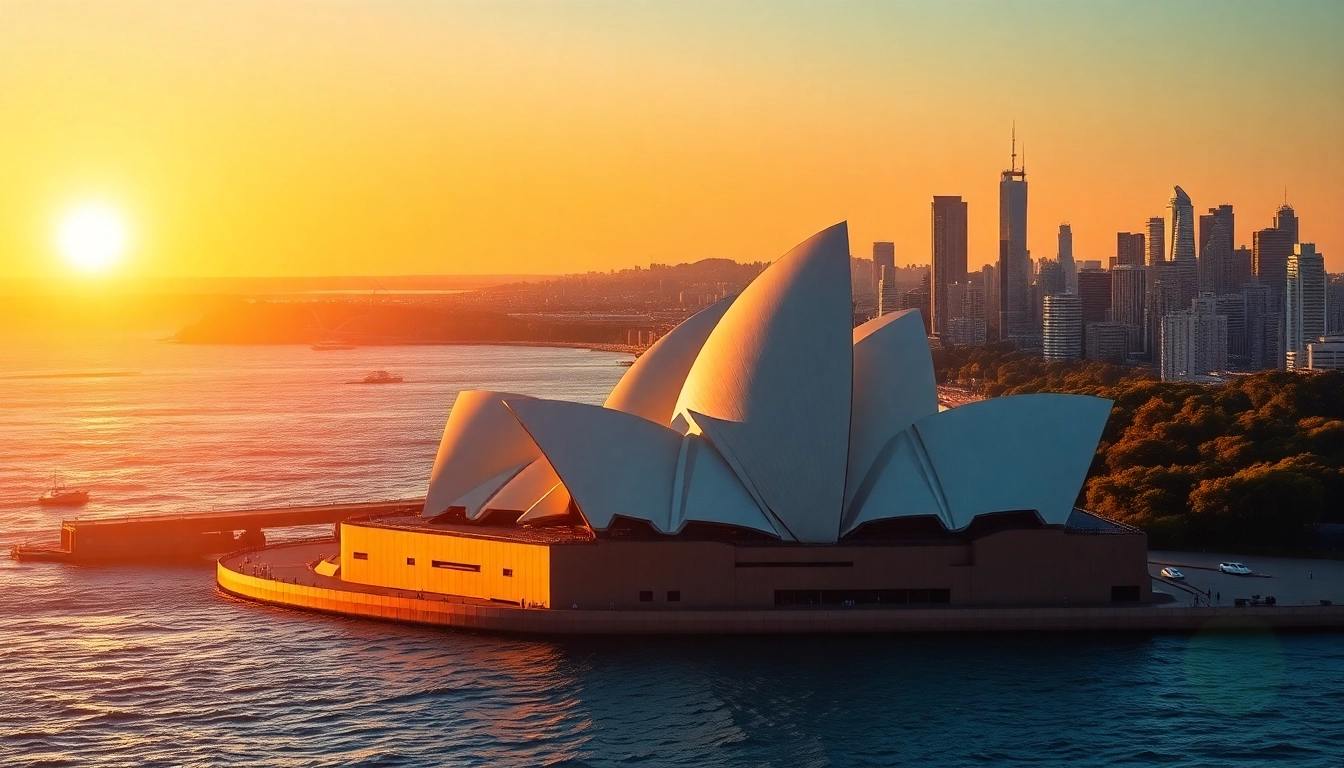
Introduction to Australia
Australia, known for its stunning landscapes, rich biodiversity, and vibrant culture, is a land of contrasts. From the bustling urban centers of Sydney and Melbourne to the vast, arid Outback, Australia offers a plethora of experiences that attract millions of visitors each year. This comprehensive guide aims to explore the various facets of this unique nation, including its geography, climate, culture, economy, and travel tips, ensuring readers gain a profound understanding of what makes Australia a remarkable destination.
Geographical Overview of Australia
Landforms and Regions
Australia is the world's smallest continent, yet it ranks as the sixth-largest country by total area. The country features diverse geographical regions. The eastern coastline is characterized by lush mountains and beautiful beaches, while the interior comprises the dry and sparsely populated Outback. The Great Dividing Range runs along the east coast, creating a stark contrast between the coastal cities and the arid center.
Major Cities in Australia
Australia's major cities include Sydney, Melbourne, Brisbane, Perth, and Adelaide. Sydney, known for its iconic Sydney Opera House and Harbour Bridge, is the largest city and a key cultural hub. Melbourne is recognized for its vibrant arts scene and extensive culinary offerings. Brisbane, located in Queensland, enjoys a warm climate and proximity to the Gold Coast, while Perth is known for its stunning beaches and relaxation. Adelaide integrates sophisticated culture with affordability, making it an appealing destination for both tourists and residents alike.
Natural Wonders of Australia
The natural wonders of Australia are among the most spectacular in the world. The Great Barrier Reef, the largest coral reef system, is a UNESCO World Heritage site teeming with marine life. Uluru, a massive sandstone monolith, holds significant cultural importance to the Indigenous Anangu people and attracts visitors interested in both nature and spirituality. Other notable features include the Blue Mountains, the Daintree Rainforest, and the rugged beauty of Tasmania.
Climate and Weather Patterns in Australia
Understanding Australian Climate Zones
The climate in Australia varies significantly across the country due to its vast size. Generally, Australia can be divided into five main climatic zones: tropical, arid, semi-arid, temperate, and alpine. Northern regions experience tropical weather with wet and dry seasons, while southern areas enjoy a temperate climate with four distinct seasons. The interior is dominated by arid and semi-arid conditions, making it Australia's driest region.
Seasonal Weather Patterns
Summer in Australia runs from December to February, bringing hot temperatures, especially in the north. Temperatures can exceed 40°C (104°F) in desert areas. Autumn (March to May) and spring (September to November) are transitional seasons, characterized by mild weather and blooming flora. Winter (June to August) offers cooler temperatures, particularly in southern cities where occasional snowfalls can be experienced.
Unique Flora and Fauna of Australia
Biodiversity and Ecosystems
Australia is globally recognized for its unique flora and fauna, boasting a remarkable variety of ecosystems ranging from rainforests to deserts. Around 80% of the continent's wildlife is endemic, meaning these species are not found anywhere else in the world. Iconic creatures like kangaroos, koalas, and emus symbolize Australia's rich zoological heritage.
Conservation Efforts
Despite its biodiversity, Australia faces significant environmental challenges, including habitat loss, invasive species, and climate change. Several initiatives aimed at conserving ecosystems and wildlife have been implemented, including the establishment of national parks and wildlife sanctuaries. Organizations work tirelessly to raise awareness and support for the protection of Australia's natural heritage.
The Cultural Mosaic of Australia
Multicultural Society and Indigenous Cultures in Australia
Australia is a multicultural society, shaped by waves of migration from around the globe. Today, over 300 languages are spoken, and a wealth of cultural traditions enriches the national identity. The Indigenous peoples of Australia, comprising over 250 distinct groups with diverse languages and cultural practices, have a uniquely profound connection to the land that dates back tens of thousands of years.
Festivals and Traditions Celebrated in Australia
Australia hosts numerous festivals that celebrate its diversity and cultural heritage. Major events include Australia Day on January 26, commemorating the arrival of the First Fleet; NAIDOC Week, which recognizes Indigenous history and culture; and the Melbourne International Comedy Festival, the largest of its kind globally. Each festival offers an opportunity for people to engage with and celebrate the nation's cultural diversity.
Art and Music Scene in Australia
The artistic expression in Australia flourishes through various mediums, including visual arts, music, and theater. Iconic artists like Aboriginal painter Rover Thomas and contemporary creators like Sidney Nolan and Brett Whiteley represent Australia’s diverse artistic landscape. Australian music spans genres, with influential contributions from artists across rock, pop, and indigenous musical traditions, as seen in the works of AC/DC, Kylie Minogue, and Yothu Yindi.
Australia’s Economic Landscape
Key Industries Driving Australia’s Economy
Australia boasts a robust market-based economy, supported by diverse industries. Key sectors include mining, agriculture, and services. The mining sector is particularly influential, with Australia being one of the world’s leading exporters of coal, iron ore, and gold. Agriculture also plays a critical role, contributing to both domestic food supply and international markets. The service industry, particularly finance, tourism, and education, continues to grow, highlighting the economic diversification within the country.
The Role of Tourism in Australia's Growth
Tourism significantly contributes to Australia’s economy, providing jobs and fostering cultural exchange. National parks, landmarks, and vibrant cities draw millions of international travelers each year. The government invests in sustainable tourism practices, focusing on preserving natural beauty and providing meaningful experiences for visitors. Events like the Australian Open and Sydney Festival further enhance the country’s global appeal as a premier travel destination.
Cost of Living and Salaries in Australia
The cost of living in Australia varies by region, with cities like Sydney and Melbourne considered more expensive compared to others. Rent, food, and utilities can take a substantial portion of monthly income. Average salaries for professionals can vary widely depending on the industry, with a focus on ensuring equitable pay for diverse roles. Understanding the local economy and financial context is crucial for newcomers and travelers alike.
Travel Tips for Visiting Australia
Best Cities to Visit in Australia
Among Australia’s vibrant cities, Sydney, Melbourne, Brisbane, and Perth shine for their unique characteristics. Sydney is famous for its beaches and cultural landmarks, while Melbourne is often referred to as Australia’s cultural capital. Brisbane provides access to both urban attractions and natural wonders, while Perth offers an unrivaled lifestyle balanced with serene beaches and warm weather. Each city presents a distinct blend of urban experiences and outdoor activities.
Must-See Natural Attractions in Australia
Some of Australia's most iconic natural attractions include the Great Barrier Reef, Uluru, and the Twelve Apostles. Snorkeling or scuba diving in the Great Barrier Reef is a must for marine enthusiasts. Walking among the massive rock formations at Uluru can evoke a deep sense of connection to the land and its history. The coastal scenery of the Twelve Apostles provides breathtaking visual rewards, showcasing the natural beauty of the region.
Local Cuisine and Dining Experiences in Australia
Australian cuisine reflects its rich cultural diversity, combining traditional Indigenous ingredients with international flavors. Must-try dishes include meat pies, pavlova, and barramundi, with a growing focus on local and sustainable food sources. Dining in Australia ranges from gourmet restaurants to casual cafes, showcasing a vibrant culinary scene that highlights fresh produce and innovative cuisine influenced by its multicultural society.
FAQs About Australia
What is the best time of year to visit Australia?
The best time to visit Australia varies by region; generally, spring (September to November) and autumn (March to May) offer pleasant weather across most areas.
How diverse is the wildlife in Australia?
Australia is renowned for its unique biodiversity, home to species like kangaroos, koalas, and a wide array of reptiles and marine life, particularly on the Great Barrier Reef.
Is Australia a safe country for travelers?
Yes, Australia is generally considered very safe for travelers, with low crime rates and friendly locals, although basic precautions apply.
What are the main languages spoken in Australia?
English is the primary language spoken in Australia, but due to its multicultural population, many other languages are also spoken.
How can I experience the local culture in Australia?
Engaging in festivals, visiting museums, and exploring local markets are great ways to immerse yourself in Australia’s rich and diverse culture.