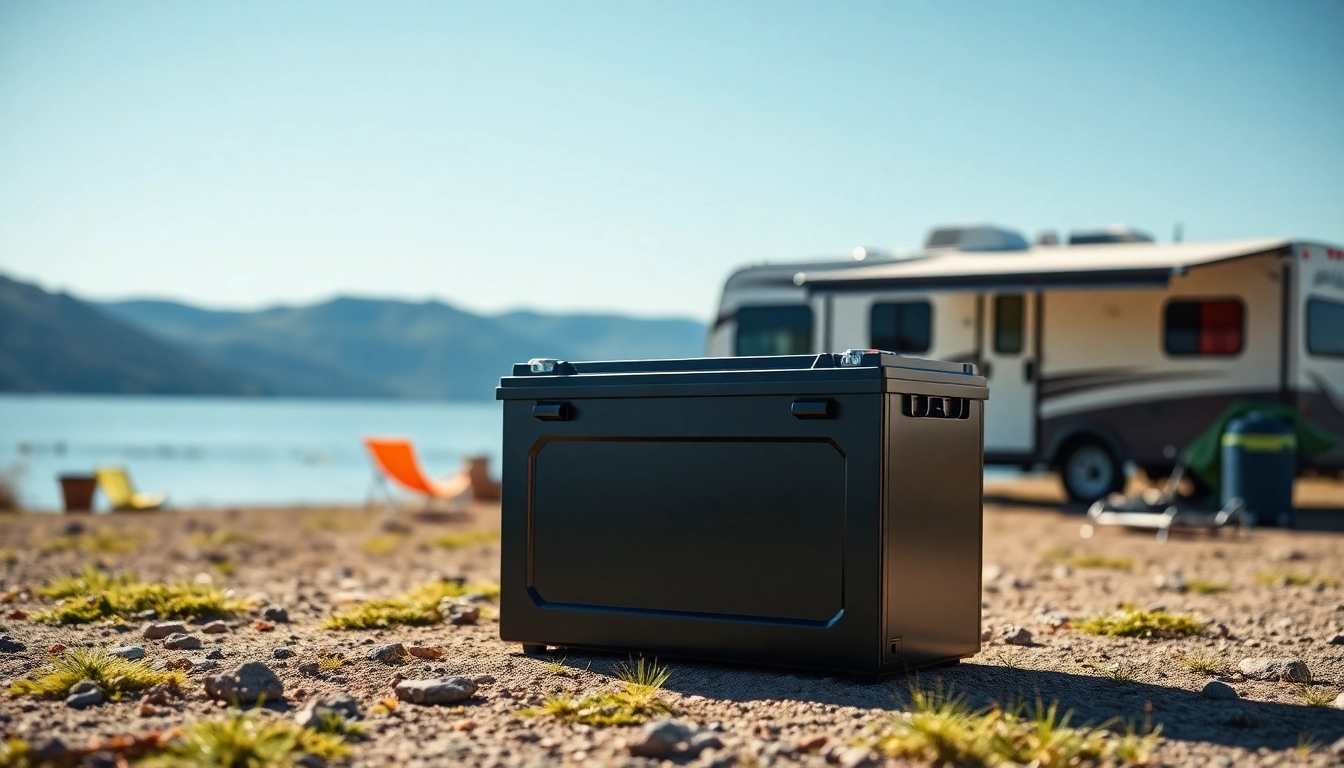
Understanding Lithium RV Batteries
What are Lithium RV Batteries?
Lithium RV batteries are high-capacity energy storage solutions designed specifically for recreational vehicles (RVs). These batteries utilize lithium-ion technology to deliver robust power and longer lifespans compared to traditional lead-acid batteries. Their lightweight design enhances fuel efficiency, allowing RV owners to enjoy off-grid adventures without the burden of heavy battery systems. Lithium RV batteries represent a modern approach to RV energy management, providing greater reliability and efficiency, essential for an enjoyable outdoor experience.
How Do They Work?
Lithium RV batteries operate on a different principle than their lead-acid counterparts. They consist of lithium cells, which offer a higher energy density, allowing for more stored energy in a smaller and lighter package. Typically, these batteries feature a Battery Management System (BMS) that monitors charge and discharge cycles, protecting them from overcharging, deep discharging, and overheating. This system enhances the safety and longevity of the battery, ensuring reliable power supply during your trips.
Benefits Over Traditional Batteries
The advantages of lithium RV batteries over traditional lead-acid systems are significant:
- Longer Lifespan: Lithium batteries can last up to 10 years or more, compared to 3-5 years for lead-acid batteries.
- Higher Efficiency: Lithium batteries have a charge efficiency of around 95%, compared to roughly 80% for lead-acid batteries.
- Weight Advantages: Lithium batteries are considerably lighter, which is crucial for weight-sensitive RVs.
- Depth of Discharge: They can be discharged to 80-90% of their capacity without damage, unlike lead-acid batteries that should only be discharged to about 50%.
- Faster Charging: Lithium batteries can achieve full charge faster than conventional batteries.
Choosing the Right Lithium RV Batteries
Factors to Consider When Buying
When selecting lithium RV batteries, several factors should be considered:
- Capacity: Choose a capacity that meets your energy needs. Consider what appliances you’ll be using and their power requirements.
- Size: Ensure the battery fits securely in your RV's designated battery compartment.
- Weight: Keep in mind the total weight of your battery set, especially if your RV has weight restrictions.
- Discharge Rate: Select a battery with a suitable discharge rate for your energy demands. This will impact how quickly you can draw power.
- Warranty: Look for brands that offer a robust warranty, indicative of the manufacturer's confidence in their product.
Comparison of Sizes and Capacities
Vatrer PowerLithium RV batteries come in various sizes and capacities, typically measured in amp-hours (Ah). Common sizes include:
- 100Ah: Sufficient for basic appliances, suitable for weekend trips.
- 200Ah: Better for mid-range use with additional capacity for more devices.
- 400Ah and above: Ideal for extensive off-grid adventures with significant power consumption needs.
Consumable needs will determine the best fit for your RV lifestyle. It's crucial to balance capacity with the physical space and weight constraints of your vehicle.
Finding Reliable Retailers
When purchasing lithium RV batteries, sourcing from reputable retailers is essential. Look for companies that specialize in RV and camping gear and offer reliable customer support. Online reviews and ratings can also provide insights into the quality and performance of the batteries offered. Additionally, consider retail options that provide warranties and return policies to ensure satisfaction with your purchase.
Installation and Maintenance Tips
Steps for Proper Installation
Installing lithium RV batteries is straightforward, but safety is paramount. Here’s a step-by-step guide:
- Disconnect the Power: Ensure all power sources are turned off and disconnected.
- Remove Old Batteries: Carefully take out the old batteries, observing proper disposal regulations.
- Position New Batteries: Place the lithium batteries in the designated compartment, making sure they are secure and stable.
- Connect the Wires: Connect positive to positive and negative to negative terminals, ensuring strong and clean connections.
- Secure the Setup: Double-check all connections and secure the compartment cover before powering on.
Maintenance Best Practices
To extend the life of your lithium RV batteries, adhere to these maintenance guidelines:
- Regularly check terminal connections for corrosion or looseness.
- Monitor battery temperature and avoid exposing them to extreme conditions.
- Utilize a BMS to keep track of charge cycles and ensure proper management of battery health.
- Keep the battery compartment clean and dry to prevent short circuits.
- Perform periodic capacity tests to assess battery performance.
Common Issues and Solutions
Some common challenges with lithium RV batteries include:
- Incompatible Charging: Ensure that your charger is compatible with lithium technology. Using an incorrect charger can damage the battery.
- Overheating: Batteries can overheat if there’s charging fault. Always use a BMS to monitor thermal conditions.
- Reduced Capacity in Cold Weather: Lithium batteries perform poorly in extreme cold. Use insulation or heating pads to protect them.
Performance and Efficiency
Understanding Charge Cycles
Charge cycles are a critical aspect of lithium RV batteries. A charge cycle is defined as the process of charging the battery to full capacity, then discharging it completely. Lithium batteries can typically handle 2000 to 5000 charge cycles, depending on the quality and usage patterns. Proper management of charge cycles impacts the longevity and efficiency of the battery significantly.
Factors Affecting Performance
Several factors can influence the performance of lithium RV batteries:
- Temperature: Optimal performance is typically found between 32°F and 113°F (0°C to 45°C). Colder or hotter conditions can have adverse effects.
- Discharge Rate: High continuous loads can affect the overall battery efficiency. Matching your usage to the battery's specifications is crucial.
- Charging Speed: Utilizing fast chargers can enhance performance but ensure compatibility with your battery specifications.
Tips for Maximizing Efficiency
To get the most out of your lithium RV batteries, consider these tips:
- Employ a solar charging system to minimize dependence on generator power.
- Optimize energy consumption by using LED lighting and energy-efficient appliances.
- Periodically calibrate the battery management systems for accurate voltage and capacity readings.
Frequently Asked Questions
Are lithium batteries worth it for an RV?
Yes, 12V 300Ah Lithium Battery provide longer life, higher efficiency, and greater storage capacity, making them more cost-effective for frequent boondockers.
How long will a 12v fridge run on a 100Ah lithium battery?
A 100Ah lithium battery can typically run a 12v motorhome fridge for about 2 to 3.5 days, depending on the fridge's power draw.
What’s the lifespan of lithium RV batteries?
Lithium RV batteries can last anywhere from 10 to 15 years, depending on usage, care, and charging habits.
Can lithium RV batteries be charged with solar panels?
Yes, lithium RV batteries can be charged using solar panels, provided the solar charging system is compatible with lithium technology.
What protections do lithium RV batteries have?
Most lithium RV batteries come equipped with Battery Management Systems (BMS) that offer protections against overcharging, deep discharge, and temperature extremes.