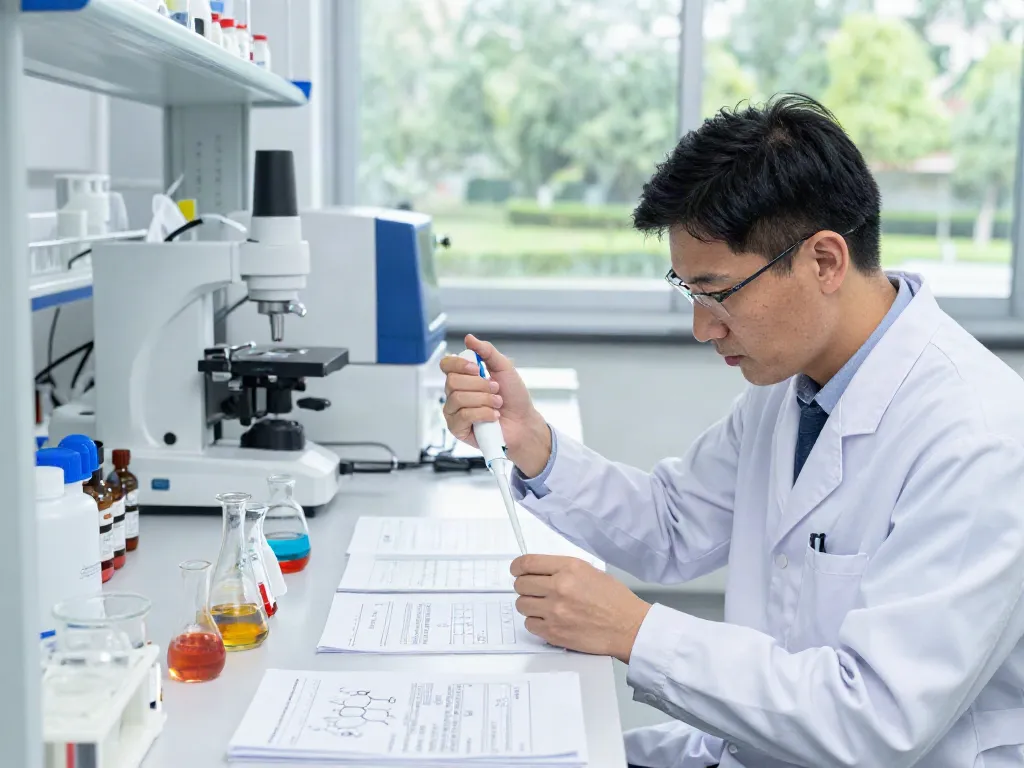
Understanding Astaxanthin and Its Role in Endurance
1. What is Astaxanthin?
Astaxanthin is a powerful carotenoid pigment primarily found in marine organisms, such as microalgae, salmon, and shrimp, giving them a characteristic pink-orange color. As a potent antioxidant, astaxanthin has gained popularity for its health benefits, particularly in enhancing athletic performance and endurance. Unlike typical antioxidants, astaxanthin has a unique chemical structure that allows it to be more effective in protecting cells from oxidative damage, which is crucial for athletes striving for optimal performance during endurance events.
2. The Science Behind Astaxanthin for Endurance
The impact of astaxanthin for endurance lies primarily in its ability to modulate various physiological processes that are crucial during prolonged physical activity. Research suggests that astaxanthin plays a vital role in enhancing energy metabolism, reducing muscle fatigue, and improving antioxidant defenses, all of which are key components for athletes engaged in endurance training.
3. Sources of Astaxanthin
Astaxanthin is naturally found in various sources. Some of the most potent sources include:
- Microalgae: Haematococcus pluvialis is the richest source of astaxanthin.
- Seafood: Salmon, shrimp, and crab contain significant amounts of astaxanthin, which contribute to their pigmentation.
- Supplementation: Astaxanthin supplements derived from natural sources are increasingly available, providing an accessible way for athletes and fitness enthusiasts to increase their astaxanthin intake.
How Astaxanthin Improves Athletic Performance
1. Enhancing Energy Metabolism
Astaxanthin has been shown to facilitate better energy utilization during endurance activities. Studies indicate that it helps to optimize mitochondrial function, thereby enhancing ATP (adenosine triphosphate) production, which is critical for sustained energy during prolonged exercise. This improved energy metabolism can lead to increased endurance and better overall performance.
2. Reducing Muscle Fatigue
Muscle fatigue is a common challenge for athletes engaging in long-distance events or training sessions. Astaxanthin’s antioxidant capabilities help mitigate oxidative stress, which is a significant factor contributing to muscle fatigue. By helping to reduce symptoms of fatigue, athletes may experience enhanced stamina and be able to train at higher intensities for longer durations.
3. Protecting Against Oxidative Stress
During intense exercise, the body produces free radicals that can lead to oxidative damage, adversely affecting performance and recovery. Astaxanthin’s strong antioxidant properties help neutralize these free radicals, protecting muscle cells from damage. This protective effect not only aids in preserving muscle integrity but also improves recovery times, allowing athletes to train more effectively.
Recommended Dosage and Supplementation
1. Optimal Dosage for Athletes
For athletes looking to incorporate astaxanthin into their supplementation regime, research suggests a daily dosage of around 4 to 12 mg can be effective. The exact dosage may vary based on individual factors such as body weight, the intensity of training, and specific performance goals. It’s vital to start with a lower dose and assess individual tolerance while gradually increasing the dosage if needed.
2. Timing Your Supplementation
Timing can significantly influence the effectiveness of astaxanthin. It is generally recommended to take astaxanthin approximately 30 minutes before engaging in exercise. This will ensure that the antioxidant levels peak during the workout, providing maximum protection against oxidative stress and enhancing performance. Additionally, consistency in supplementation is key to realizing long-term benefits.
3. Potential Side Effects and Considerations
While astaxanthin is generally regarded as safe for most individuals, some people may experience mild side effects such as gastrointestinal discomfort or changes in skin pigmentation. It’s essential to consult with a healthcare professional before starting any new supplement, especially if you have pre-existing health conditions or are taking other medications. Monitoring your body’s response to astaxanthin can help identify any adverse effects early on.
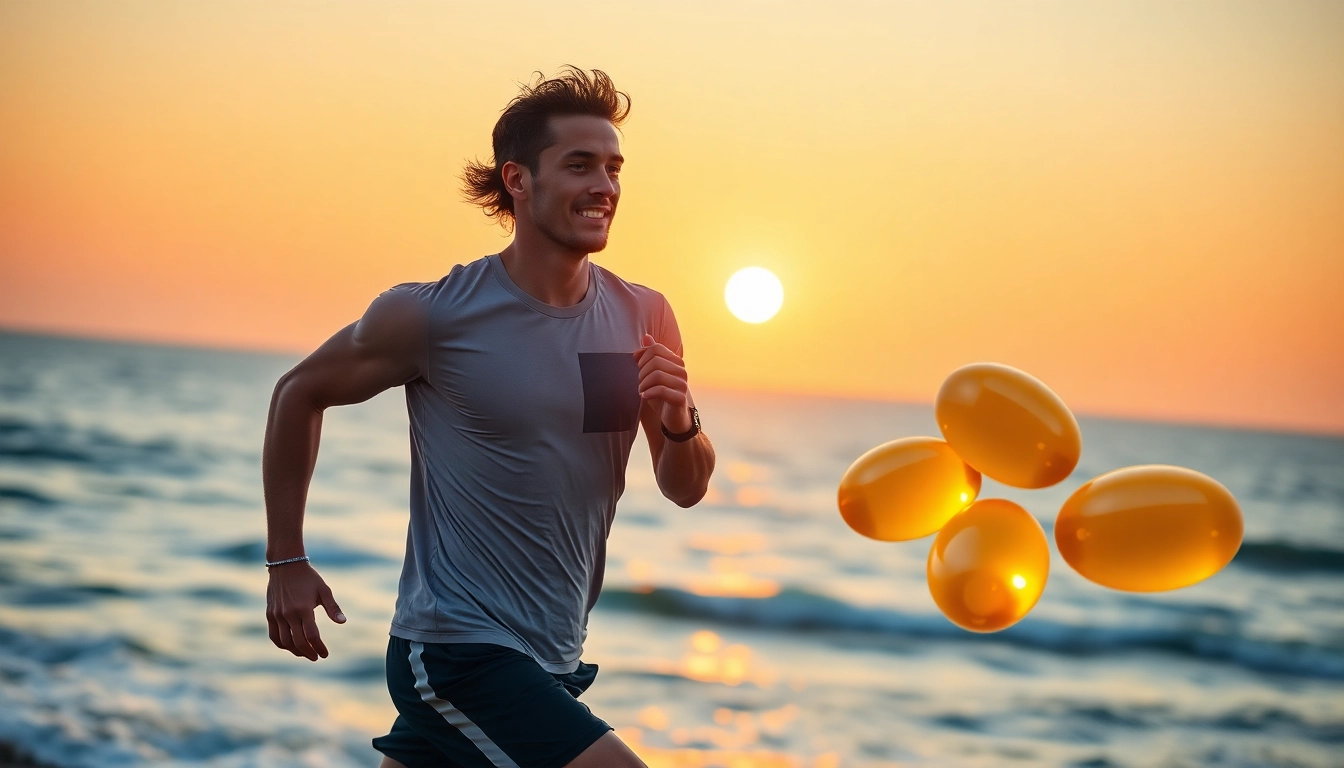
Real-World Performance Outcomes
1. Compelling Research Studies
Numerous research studies have explored the efficacy of astaxanthin in enhancing athletic performance. For example, a study indicated that athletes supplementing with astaxanthin experienced significant improvements in endurance and recovery times when compared to those who did not take the supplement. These findings support the idea that astaxanthin can indeed serve as a valuable adjunct in the training regimens of endurance athletes.
2. Anecdotal Evidence from Athletes
Anecdotal reports from athletes who have integrated astaxanthin into their diets often highlight benefits such as improved endurance, enhanced energy levels, and faster recovery periods post-exercise. Many athletes report feeling less fatigued during intense training sessions, attributing their improved performance to the inclusion of astaxanthin in their supplementation routine.
3. Case Studies Highlighting Improvement
Several case studies focusing on endurance athletes using astaxanthin have showcased remarkable results. In one particularly notable case, a group of cyclists recorded improved time trial performances after four weeks of astaxanthin supplementation. This improvement was attributed to enhanced muscle endurance and decreased oxidative stress, confirming its potential advantages for serious athletes.
Frequently Asked Questions About Astaxanthin for Endurance
1. Can Astaxanthin help everyone improve endurance?
While many athletes report enhancements in endurance, results can vary based on individual physiology, genetics, and overall health. Not everyone may experience the same benefits.
2. Is astaxanthin safe for long-term use?
Generally considered safe, astaxanthin can be taken long-term. However, consulting with a healthcare professional is advised for personalized recommendations.
3. What is the best way to take astaxanthin?
Astaxanthin supplements are typically available in softgel or capsule forms. It's most effective when taken with food to enhance absorption.
4. How soon can I expect results?
Some athletes may begin to notice improvements in endurance and recovery within a few weeks of consistent use, but full benefits might take longer to manifest.
5. Can I combine astaxanthin with other supplements?
Astaxanthin can be taken alongside other supplements but consult with a healthcare provider to ensure safety and effectiveness.