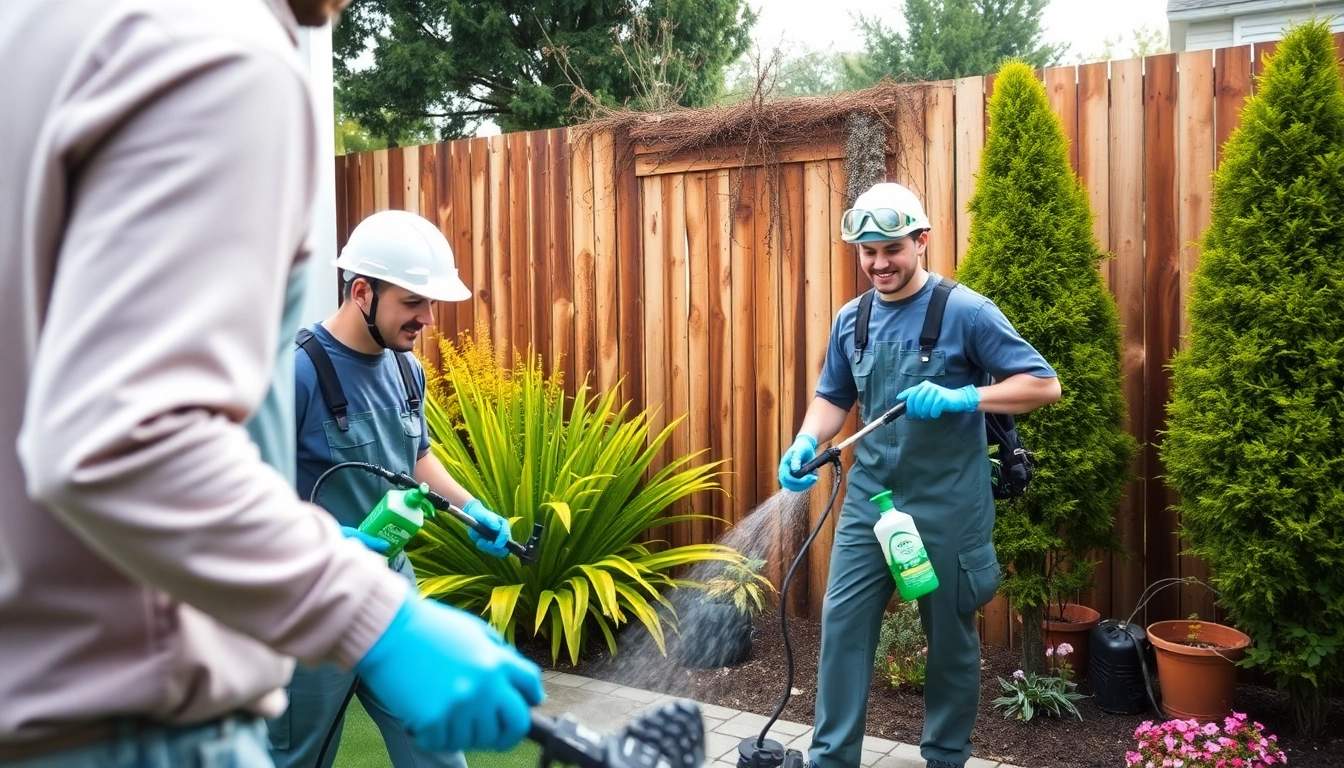
Understanding Fence Cleaning
Maintaining your property includes a fundamental yet often overlooked task: Fence Cleaning. Fences, whether wooden, vinyl, or metal, serve as barriers that protect our private spaces while contributing to the aesthetic appeal of our homes. Unfortunately, weather elements, dirt, mold, and algae can dull their appearance, necessitating regular upkeep.
Importance of Regular Fence Cleaning
Cleaning your fence is essential for various reasons. Firstly, it helps maintain a pleasant appearance. A clean, well-kept fence enhances your home's curb appeal, which is particularly crucial if you plan to sell your property. Secondly, regular cleaning prevents the buildup of mold and mildew, which can cause structural damage over time and reduce the lifespan of your fence. Furthermore, keeping your fence clean also helps prevent pest infestations as many unwanted insects thrive in dirty or damp conditions.
Common Issues Needing Attention
Several issues can arise if fences are not cleaned regularly. Black streaks from mold and dirt can mar the surface of wooden and vinyl fences. Metal fences may develop rust, while wooden ones can rot due to moisture accumulation. Additionally, stained fences often present a neglected look that can reflect poorly on your home environment. Addressing these signs early is key to preventing costly repairs.
Materials and Tools Required for Fence Cleaning
Before you start cleaning your fence, it's essential to gather the right materials and tools. For a basic cleaning, you'll typically need:
- A pressure washer or a garden hose with a spray nozzle
- Cleaning brushes or sponges
- Protective gloves and eye protection
- Cleansers, such as vinegar, bleach, or commercial fence cleaners
- A bucket for mixing cleaning solutions
Methods for Fence Cleaning
There are several methods that can be employed to clean fences effectively. The technique you choose may depend on the material of your fence, the extent of the dirt buildup, and your personal preference.
Eco-Friendly Cleaning Solutions
For those conscious of the environment, using eco-friendly cleaning solutions is a viable option. Solutions like vinegar, baking soda, and castile soap are excellent biodegradable options. Mixing one part vinegar with three parts water creates a powerful mold-killing solution that is safe for your plants and pets. The natural suds from castile soap can effectively remove grime without harsh chemicals.
Pressure Washing vs. Manual Cleaning
Pressure washing is a popular method for cleaning fences, especially for those that are heavily soiled or have not been cleaned in years. It effectively removes dirt, mildew, and loose paint quickly. However, it’s crucial to use the right pressure settings to avoid damaging the fence material. Manual cleaning, generally using brushes, sponges, and biodegradable cleaning solutions, is ideal for more delicate tasks where precision is required, such as cleaning intricate wooden fences.
Preparing Your Fence for Cleaning
Preparation is key to an effective fence cleaning. Start by clearing the area around the fence, removing any debris, plants, or furniture that might obstruct your cleaning process. If your fence has been painted or stained, inspect it for any loose material that may need scraping off prior to cleaning. Protect any nearby plants by covering them with tarps to prevent exposure to cleaning detergents.
Steps to Clean Different Fence Materials
Different fence materials require tailored cleaning methods to ensure they are both effective and safe. Here’s how to approach cleaning various fence types.
Wood Fence Cleaning Techniques
Wood fences require special care to maintain their integrity. First, sweep or blow off any loose debris. Use a mixture of 1 cup of bleach to 1 gallon of water for mold and mildew removal. Apply this with a brush or sprayer, letting it sit for 10-15 minutes before scrubbing with a stiff-bristled brush and rinsing off with clean water. Avoid too much pressure that can strip away wood fibers.
Metal Fence Cleaning Best Practices
Cleaning a metal fence typically involves removing rust and grime. Begin by scrubbing the surface with soap and water, then rinse. For rust removal, consider using a wire brush or steel wool to scrub affected areas, followed by the application of a rust-inhibiting primer. It’s essential to apply a protective sealant afterward to prevent future rusting.
Vinyl Fence Cleaning Instructions
Vinyl fences are generally low maintenance but can stain over time. To clean, combine a mild detergent with warm water and apply it to the surface. Using a non-abrasive sponge, scrub the surface gently to remove dirt and stains. Rinse thoroughly with a hose or pressure washer, ensuring that no soap residue remains, as this could cause lingering issues.
Maintaining Your Fence After Cleaning
Once your fence is clean, the next step is maintaining its appearance and longevity. Regular maintenance not only extends the life of your fence but also keeps it looking good throughout the seasons.
Protective Finishes: Stains and Sealants
Applying a protective finish is crucial after cleaning, especially for wooden fences. Stains can enhance the color and add a layer of protection against moisture and UV rays. Similarly, sealants can help prevent rot and fading, ensuring that your fence remains durable through the elements. For metal fences, a spray of rust-inhibiting paint can offer ongoing protection.
Regular Maintenance Tips
Regular maintenance tips include inspecting your fence twice a year for signs of damage or wear. Remove any weeds or vegetation that might grow close to the fence, as these can retain moisture. Regularly clean the fence following the advice above and reapply protective coatings as necessary, particularly after heavy rain or storms.
Signs Your Fence Needs Professional Help
While many fence cleaning and maintenance tasks can be DIY projects, certain signs indicate the need for professional help. If you observe significant structural damage, widespread mold, or extensive rust on metal fences, it may be time to seek expert advice. A professional can assess damage and recommend whether cleaning, repair, or replacement is necessary.
FAQs About Fence Cleaning
How much does it cost to get your fence cleaned?
The cost to pressure wash a fence varies by size, generally between $30-$800 depending on the linear feet and cleaning methods used.
What is the best way to clean a wooden fence?
Using a mixture of household bleach and water or specific wood cleaners, scrub and rinse well to restore its appearance.
Can I clean my fence myself?
Yes, many homeowners successfully clean their fences using DIY methods with household cleaners and proper tools.
How often should I clean my fence?
It’s recommended to clean your fence once or twice a year, depending on the weather conditions and surrounding environment.
Are there eco-friendly options for cleaning my fence?
Yes, there are several eco-friendly cleaning solutions available, including vinegar, baking soda, and biodegradable detergents.