Understanding Bed Bugs
What are Bed Bugs?
Bed bugs are small, wingless insects belonging to the Cimicidae family. These nocturnal pests feed primarily on the blood of humans and animals, making them a significant nuisance, especially in residential areas. Adult bed bugs typically measure between 4 to 5 millimeters in length, resembling an apple seed in appearance. Their flat, oval shape allows them to hide easily in crevices such as mattress seams, baseboards, and furniture joints. Despite their size, they can reproduce rapidly, leading to severe infestations if not treated promptly.
Signs of Infestation
Recognizing the signs of bed bug infestation early is crucial for effective bed bug treatment. Common indicators include:
- Visible Bugs: Adult bed bugs, nymphs, or even eggs may be seen in your living space.
- Bed Bug Bites: Red, itchy welts often appear on the skin, particularly on exposed areas during sleep.
- Stains: Blood spots and dark fecal stains can be found on sheets, mattresses, and nearby surfaces.
- Musty Odor: A sweet, musty scent may be noticeable in heavily infested areas.
Health Risks Associated with Bed Bugs
While bed bugs are not known to transmit diseases, their bites can lead to significant physical and psychological discomfort. Common health issues associated with bed bug infestations include:
- Allergic Reactions: Reactions to bed bug bites can include itching, swelling, and severe skin irritation.
- Secondary Infections: Scratching bites could lead to secondary bacterial infections.
- Sleep Disturbances: The anxiety and discomfort caused by bed bugs may lead to insomnia or disrupted sleep patterns.
- Psychological Effects: Infestations can cause stress, anxiety, and embarrassment for those affected.
Preparing for Bed Bug Treatment
Identifying Infested Areas
The first step in addressing a bed bug problem is accurately identifying infested areas. Common locations include:
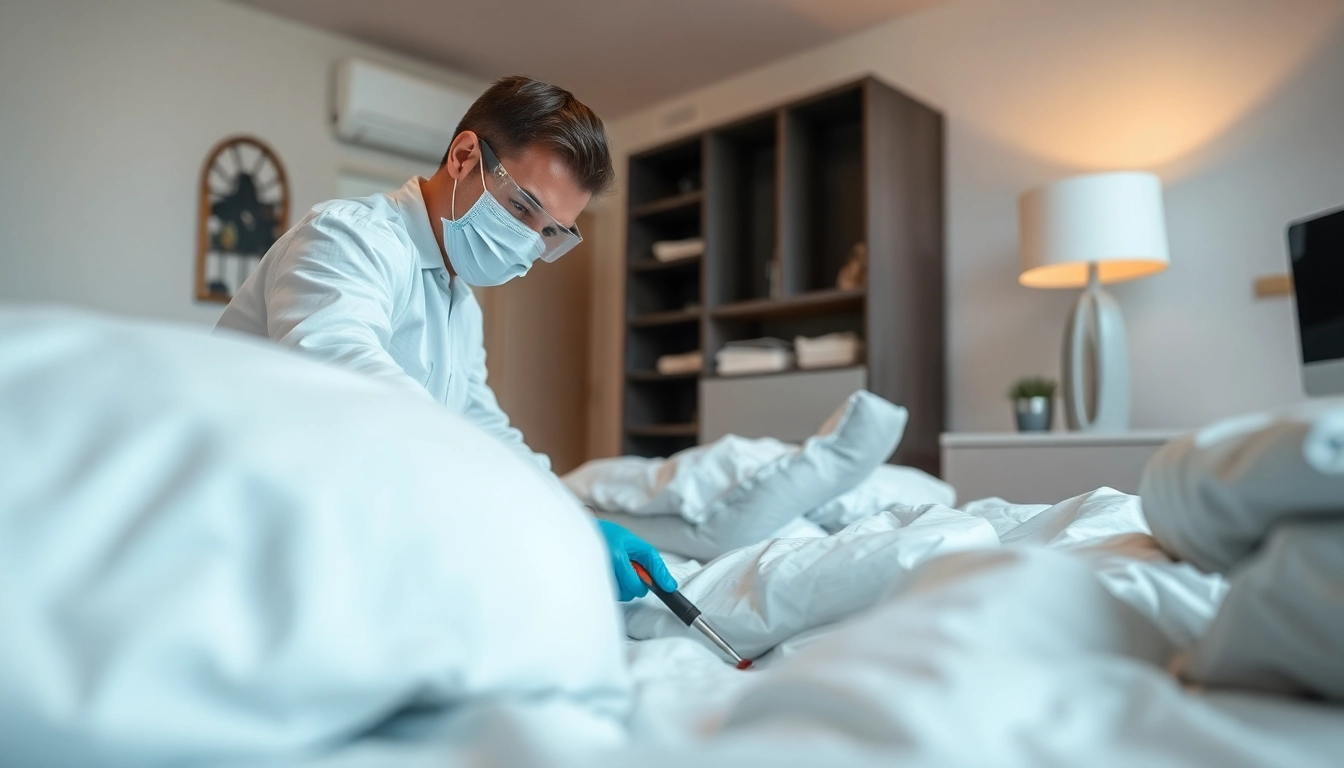
- Beds: Inspect mattresses, box springs, and bed frames for any signs of bed bugs.
- Furniture: Check behind and beneath couch cushions and inside cracks of upholstered furniture.
- Baseboards: Bed bugs can hide in the crevices between walls and floors.
- Closets and Luggage: Inspect clothing, shoes, and suitcases, especially after returning from trips.
Steps to Prepare Your Home
Before commencing any treatment, several preparation steps should be followed:
- Declutter: Removing unnecessary items can reduce hiding spots for bed bugs.
- Wash Fabrics: Launder all bedding, clothing, and curtains in hot water and dry them on high heat.
- Vacuum Thoroughly: Vacuum carpets, floors, and upholstered furniture to remove bugs and eggs.
- Seal Cracks: Caulk and seal any cracks and crevices in walls and furniture to prevent bed bugs from hiding.
- Isolate Infested Items: Place infested bedding or clothing in sealed plastic bags to contain the infestation.
Common Mistakes to Avoid
While preparing for treatment, it is essential to avoid common mistakes that may hinder progress:
- Ignoring Signs: Failing to recognize bed bug bites or evidence of infestation may prolong the problem.
- Inconsistent Cleaning: Incomplete cleaning may allow some bugs to escape treatment.
- Using Over-the-Counter Sprays: Applying ineffective or improper chemicals can worsen the problem.
- Neglecting Follow-Up: Failing to monitor treated areas may lead to re-infestation.
Types of Bed Bug Treatment
Chemical Treatments Explained
Chemical treatments remain a popular choice for effective bed bug eradication. Various insecticides are available, each formulated to kill bed bugs at different life stages. Here’s a breakdown:
- Pyrethroids: Commonly used due to their effectiveness, these insecticides target the central nervous system of bed bugs.
- Desiccants: These agents work by drying out the protective layer of bed bugs, ultimately leading to death.
- Insect Growth Regulators (IGRs): By disrupting the insects' development, IGRs prevent eggs from hatching and nymphs from maturing.
When considering chemical treatments, it’s crucial to follow guidance from pest control professionals to minimize risks and maximize effectiveness.
Heat Treatment for Bed Bugs
Heat treatment is considered one of the most effective methods for destroying bed bugs. This method involves raising the temperature in the infested area to around 120°F (49°C) or higher. The high temperature kills bed bugs in all life stages within a short period. Key benefits of heat treatment include:
- Environmentally Friendly: It uses no chemicals, making it safer for children and pets.
- Comprehensive Coverage: Heat penetrates furniture, walls, and floors to kill hidden bed bugs.
- Time Efficiency: Most heat treatments can be completed in a single day.
However, it is essential to ensure that the treatment is done by professionals to prevent damage to your belongings or home.
Homemade Remedies: Do They Work?
Many homeowners consider homemade remedies, believing they can avoid professional treatments. Some common natural approaches include:
- Diatomaceous Earth: This natural product dehydrates and kills bed bugs upon contact.
- Essential Oils: Oils such as tea tree or lavender are sometimes used, but their effectiveness is often limited.
- Alcohol and Soap Solutions: These mixtures might kill some bed bugs but typically won't eliminate an infestation.
While these methods may provide minor relief, they are generally insufficient for complete bed bug eradication. Professional assistance is often necessary for a thorough and effective solution.
Aftercare and Prevention
Post-Treatment Cleaning Tips
After treatment, maintaining a clean environment is vital. Consider the following cleaning tips:
- Vacuum Regularly: Frequent vacuuming helps catch any potential survivors and eggs.
- Wash Bedding Weekly: Washing sheets and pillowcases in hot water can kill any lingering bed bugs.
- Avoid Clutter: Keep spaces tidy to prevent bed bugs from finding new hiding spots.
Preventing Future Infestations
To prevent re-infestation, consider these strategies:
- Monitor and Inspect: Regularly check sleeping areas and common hiding places for any signs of return.
- Encasements for Mattresses: Use protective covers on mattresses and box springs to keep bed bugs from infesting.
- Travel Precaution: Inspect luggage and clothing after traveling, especially from hotel stays.
Regular Monitoring and Maintenance
Implementing a proactive monitoring plan is crucial for long-term bed bug prevention. Regular home inspections and professional evaluations can help identify potential infestations before they escalate. Setting up a maintenance schedule that includes cleaning and monitoring can safeguard your home against bed bugs.
Frequently Asked Questions
How do you get rid of bed bugs quickly?
Vacuum thoroughly, especially around mattress seams. Wash bedding in hot water, and consider using heat treatments or professional pest control services for immediate relief.
What are the costs associated with bed bug treatment?
Costs can vary significantly depending on the treatment type, infestation size, and location. Typical expenses range from a few hundred to thousands of dollars for comprehensive services.
Can I treat bed bugs myself safely?
While some DIY methods exist, effective treatment often requires professional intervention. Inadequate methods may allow the infestation to persist.
How long does it take for bed bug treatment to work?
The effectiveness timeframe varies by treatment. Chemical treatments might take weeks, while heat treatment can show results in one day.
What are the signs that bed bug treatment was successful?
Success indicators include the absence of bites, lack of live bugs, and no new evidence of staining or fecal matter in treated areas.