Understanding Bed Bug Heat Treatment
What is Bed Bug Heat Treatment?
Bed bug heat treatment is an effective pest control method that involves raising the temperature of an infested area to levels lethal to bed bugs and their eggs. This technique is widely recognized for its effectiveness in eradicating all life stages of bed bugs, making it a popular choice among homeowners and pest control professionals alike. Typically, the temperature targets around 135°F to 145°F, with some techniques even reaching 150°F. Specialized equipment, such as industrial heaters and fans, is employed to ensure thorough heat distribution throughout the affected spaces. Many providers advocate for this method due to its ability to eliminate bed bugs without the use of chemical pesticides, providing a safer option for families and pets.
Benefits of Using Heat for Bed Bugs
One of the primary benefits of bed bug heat treatment is its non-toxic nature. Unlike traditional chemical treatments, heat does not leave harmful residues in the home, making it suitable for sensitive environments, particularly those with children and pets. Moreover, heat treatment can effectively penetrate furniture, walls, and other hiding spots, unlike some chemical solutions that may miss bugs tucked away in hard-to-reach places. Additionally, heat treatment typically requires less time compared to multiple chemical applications, allowing homeowners to return to their living spaces more quickly. This method is also environmentally friendly, reducing the reliance on chemical pesticides.
Heat Treatment vs. Other Methods
When comparing heat treatment to other extermination methods, such as insecticides or steam treatment, several differences stand out. Insecticides often require multiple applications and can leave behind residual chemicals, posing potential health risks. In contrast, heat treatment is usually a one-time solution, often completed in a single day, provided by trained professionals who monitor and control the temperature throughout the process. On the other hand, steam treatment can be effective but may not reach the same depths as high heat treatment, leading to potentially incomplete results. Ultimately, while chemical methods have their place, heat treatment offers a well-rounded and comprehensive solution for bed bug eradication.
Preparing for Bed Bug Heat Treatment
Initial Inspection and Assessment
The first step in preparing for bed bug heat treatment is a thorough inspection of the affected areas. Licensed pest control professionals will typically conduct this assessment to identify the severity of the infestation and determine the best approach to heat application. During this inspection, professionals check bedding, furniture seams, carpets, and other hideouts for bed bugs and their eggs. Understanding the extent of the infestation helps technicians develop a targeted treatment plan, ensuring optimal effectiveness during the heating process.
What to Expect During Treatment
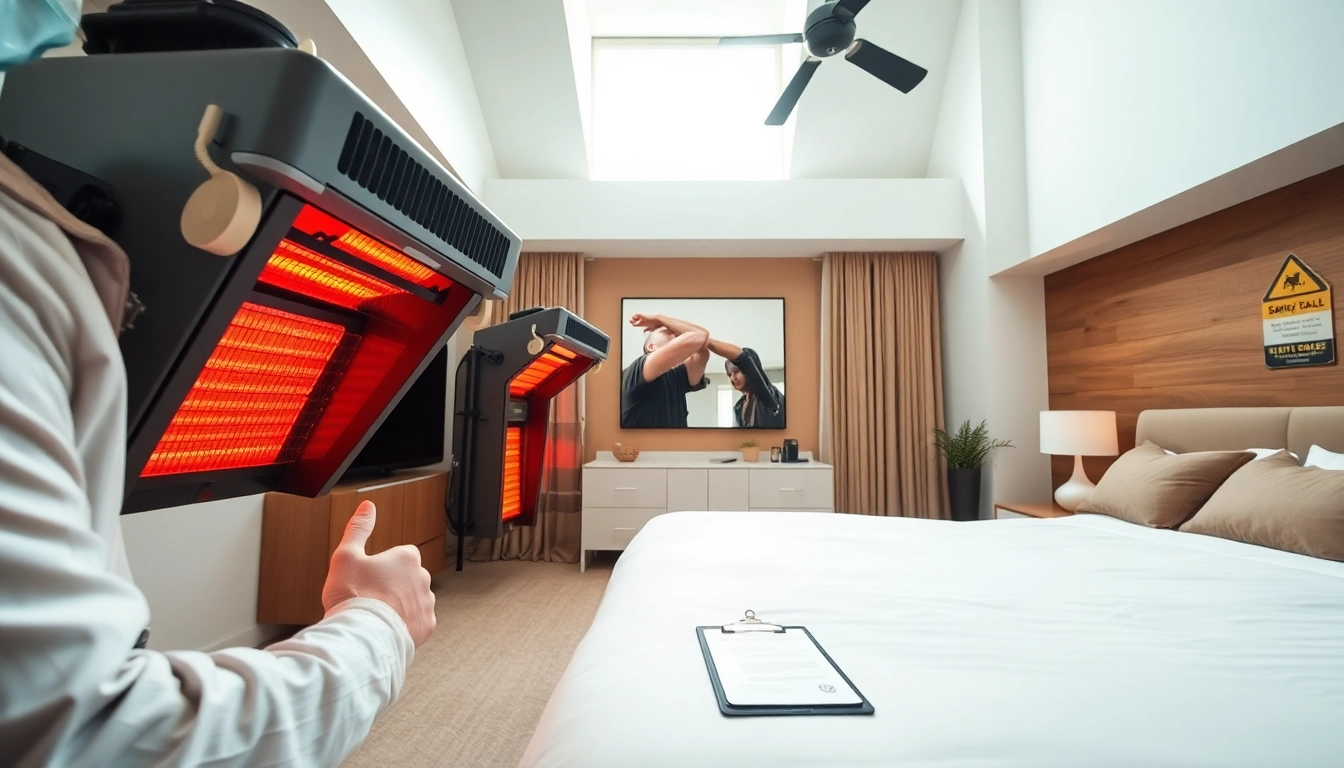
During the heat treatment process, homeowners can expect the entire treatment area to be sealed off to focus the heat effectively. The team will set up specialized heating equipment to raise the temperature steadily. The duration of the treatment will depend on the severity of the infestation, but most treatments last between 6 to 8 hours. It is crucial for residents and pets to vacate the premises during this time to ensure safety when temperatures rise and to facilitate a seamless extermination process.
Steps to Prepare Your Home
Prior to the heat treatment, homeowners should take a number of preparatory steps. Start by decluttering the affected area as much as possible – remove items from floors, tables, and other surfaces. Launder infested bedding and clothing on high heat settings to kill any remaining pests. It’s also advisable to empty closets and dressers of clothing so that heat can penetrate effectively. Homeowners should ensure that any electronics are unplugged, and any delicate items are secured or moved out of the treatment zones. Lastly, proper communication with pest control technicians can clarify any area-specific requirements or precautions needed for a successful heat treatment approach.
Executing the Heat Treatment Process
How Heat Treatment Works
Heat treatment functions by effectively raising the ambient temperature in the affected area to a lethal level for bed bugs. The process involves a combination of large electric heaters and powerful fans to evenly circulate hot air throughout the space. Technicians monitor the temperature continuously, aiming to maintain it at or above the necessary threshold for at least 30 minutes to ensure that all bedbug life stages are eliminated. The process is designed to reach canopies of bedding and other areas where bugs tend to hide, ensuring comprehensive coverage and extermination.
Safety Protocols for Technicians
To ensure safety during the heat treatment process, pest control technicians adhere to stringent protocols. This includes wearing protective clothing and using temperature monitoring devices to prevent overheating risks that could damage property. Technicians also prepare a detailed safety plan that encompasses evacuation procedures for residents and pets, as well as checks for sensitive items in the treatment area. Additionally, they will discuss safety precautions with homeowners to ensure a collaborative and secure process.
Common Challenges and Solutions
While bed bug heat treatment is highly effective, some challenges may arise. One common issue is insufficient heating penetration, especially in larger areas or those with lots of furniture. Technicians address this by conducting detailed preparatory assessments and strategically placing heaters and monitors to ensure consistent temperature control. Another challenge can be the presence of heat-sensitive items, such as certain electronics or antiques. Technicians may recommend alternative storage solutions prior to treatment to avoid damage while still achieving extermination objectives.
Post-Treatment Care and Monitoring
What to Do After Heat Treatment
Following bed bug heat treatment, it’s essential to follow up with certain precautions. Most notably, avoid reintroducing clutter into the treated area to maintain a reduced risk of re-infestation. Homeowners should also strategically replace bedding and other soft furnishings, opting for heat-dried items where possible. Regular vacuuming and lint-rolling can help catch any potential remaining bed bugs or eggs, contributing to ongoing vigilance.
Signs of Effective Treatment
To gauge the effectiveness of bed bug heat treatment, homeowners should be observant of any signs of bed bugs post-treatment. This includes the absence of sightings and shed skins around the formerly infested area. Additionally, it’s prudent to conduct regular inspections, focusing on potential hotspots such as seams of mattresses and under furniture, for a set period following the treatment. If any signs of bed bugs are detected, homeowners should reach out to pest control providers for further assessment promptly.
When to Schedule a Follow-Up
A follow-up appointment may be necessary, depending on the initial assessment during the first treatment. Many experts recommend re-evaluation around two weeks post-treatment to ensure that there are no lingering bed bugs. During this follow-up, technicians can provide additional insights and check for signs that might indicate the need for further intervention.
Frequently Asked Questions About Bed Bug Heat Treatment
How long does bed bug heat treatment take?
The process typically lasts between 6 to 8 hours, depending on the severity of the infestation and the size of the area. The heating must remain consistent to ensure thorough extermination.
Is heat treatment safe for pets and children?
Yes, heat treatment is non-toxic and safe once completed. However, pets and children must vacate the property until the treatment is concluded and the area is cooled down.
Can I stay in my home during treatment?
No, occupants must leave the home while the treatment is underway. This ensures safety and allows technicians to work effectively in a controlled environment.
What temperatures are lethal to bed bugs?
Bed bugs begin to die at temperatures above 120°F. However, temperatures of around 135°F to 150°F are ideal for ensuring all life stages, including eggs, are eradicated.
How often should heat treatments be repeated?
In most cases, heat treatments do not need to be repeated. However, follow-up assessments are recommended after two weeks to check for any signs of re-infestation or lingering bugs.